Why Your Chinese Supplier’s English Name is Not Their "Real" Name (And Why It Matters)
3/10/2026
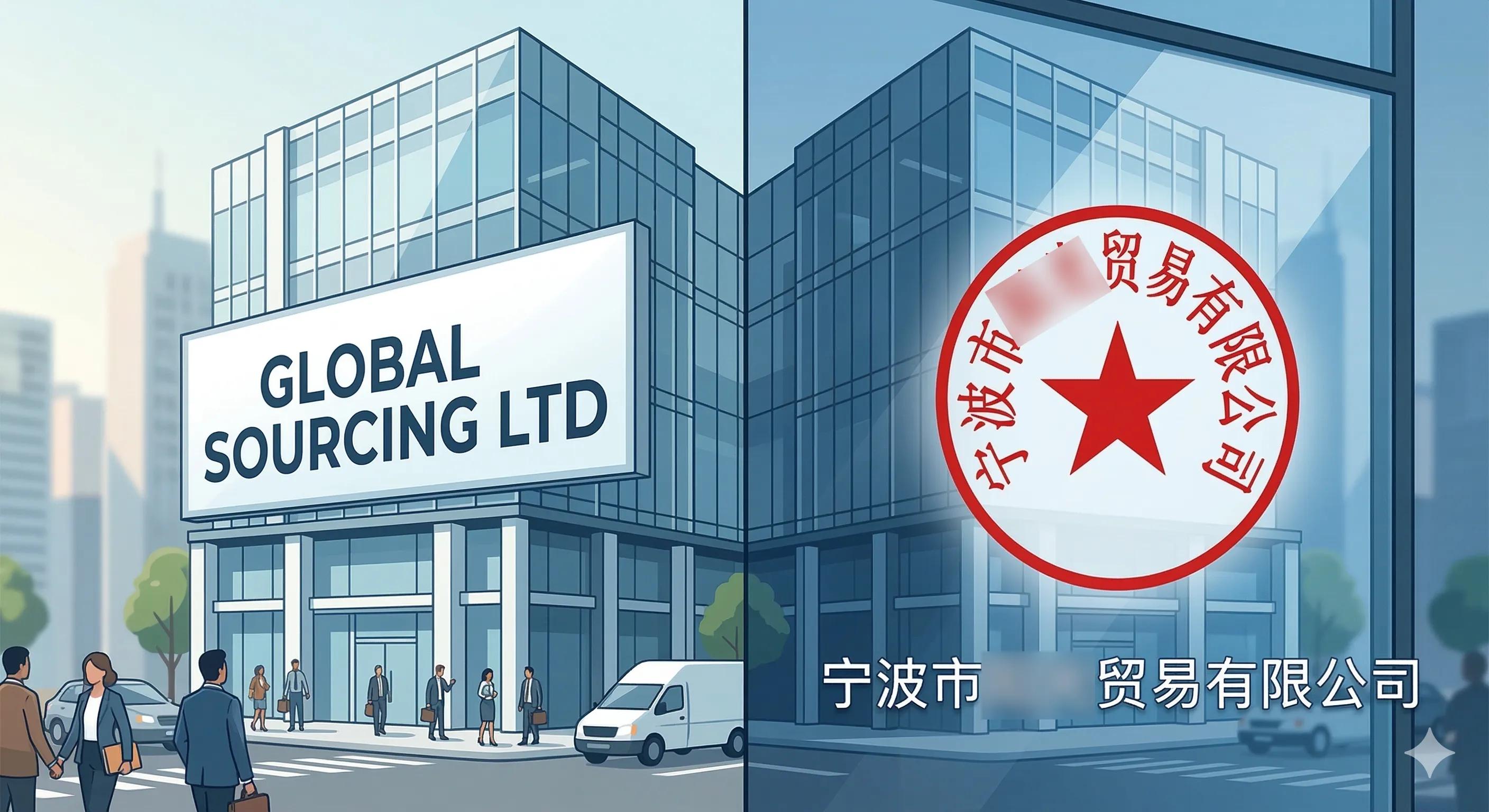
If you’ve ever looked at a professional-looking website for a Chinese manufacturer and seen a name like "Global XXX Manufacturing Ltd," you probably assumed that was their legal name.
Then, you received a proforma invoice or a bank transfer request, and suddenly the name changed to something like "Shenzhen AAA Technology Co., Ltd." Or worse, you tried to look up "Global XXX" in an official database and found… nothing.
This isn't necessarily a sign of a scam, but it is one of the most common points of confusion in international trade. In the world of Chinese business, a company’s English name is often just a "nickname." Here is why that matters for your risk management.
The Legal Reality: Only Chinese Characters Count
In mainland China, the official registry for companies (managed by the SAMR) only recognizes names in Chinese characters. When a company is formed, its legal identity is tied to its Chinese name and a 18-digit Unified Social Credit Code.(See: USCC vs TIN in China: What Importers Must Verify Before Payment).
Unless a company is based in Hong Kong or has specifically registered an "English translation" for foreign trade (which is rarer than you’d think), their English name has no legal standing in a Chinese court.
Think of it like this: You might know your supplier as "Sunny Sourcing," but to the Chinese government, they only exist as "宁波市XXX贸易有限公司."
Why This Creates Problems for Importers
Relying on a self-adopted English name creates several "friction points" in your supply chain:
1. The "Invisible" Company
If you try to perform due diligence—checking for lawsuits, financial health, or operational abnormalities—using an English name, you will hit a dead end. Official records are filed under the Chinese name. If you can't bridge the gap between the English "nickname" and the Chinese legal name, your due diligence is effectively zero.
2. Payment Rejections
Banks are increasingly strict about Anti-Money Laundering (AML) and "Know Your Customer" (KYC) rules. If you send a wire to "Global XXX" but the beneficiary name on the account is "Shenzhen AAA Tech," the bank may freeze or return the funds. This leads to delays and extra bank fees.
3. Unenforceable Contracts
If you sign a contract with "Global XXX Manufacturing Ltd" and things go wrong, you might find that you cannot sue them in China. Why? Because legally, "Global XXX" doesn't exist. To a Chinese court, your contract is with a ghost. To make a contract stick, it usually needs the company's official Chinese name and their official red "chop" (seal).
How to Find the "Real" Identity
So, how do you protect yourself? You need to link the English name to the legal Chinese name.
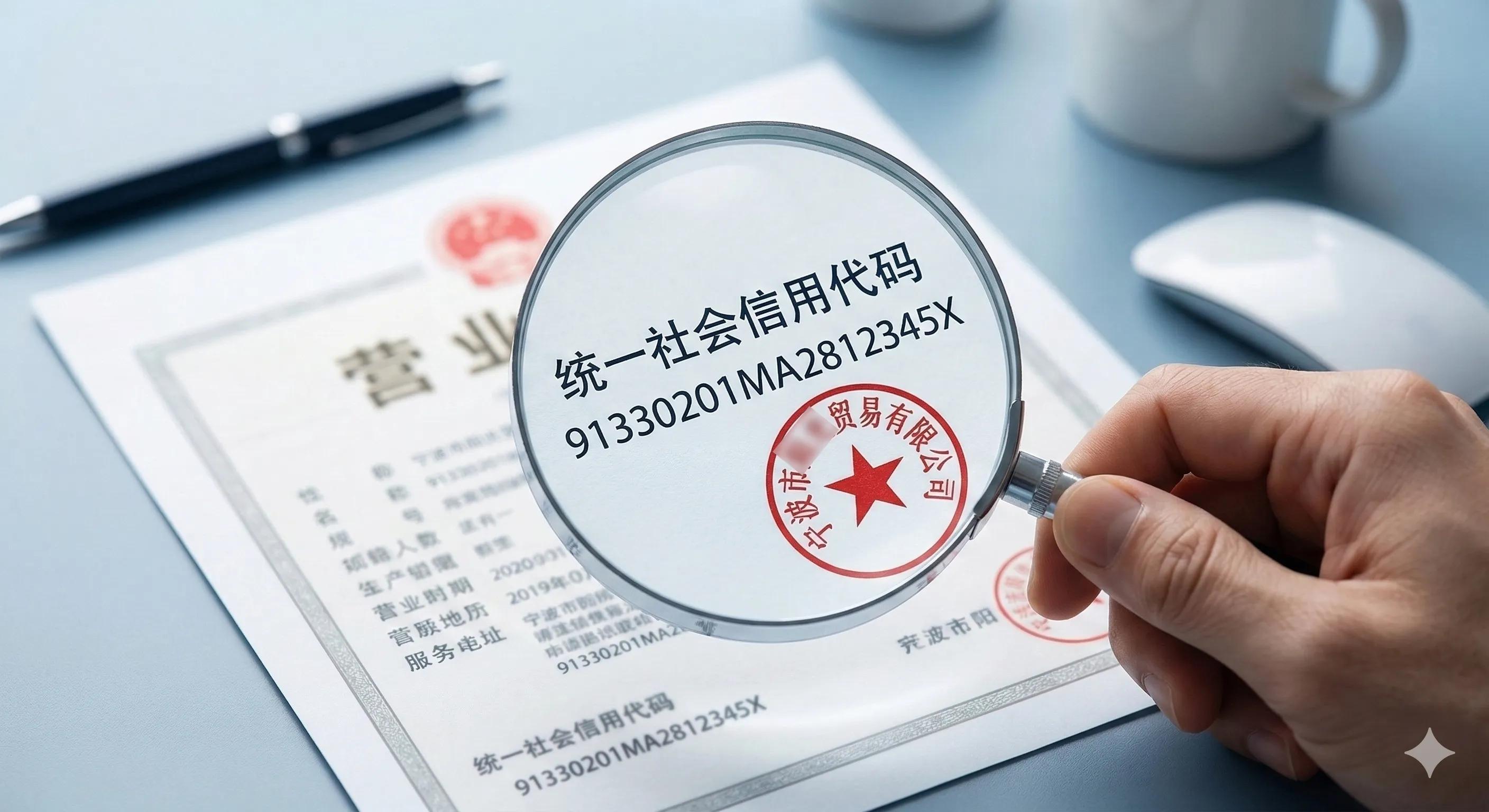
- Ask for the Business License (营业执照): Every legitimate company in China has one. It’s a gold-colored certificate. Look for the name in Chinese characters and the 18-digit Social Credit Code.
- Check the Bank Account Details: Ask for their bank account name early. If the name on the account is a person's name (personal account) or a completely different company name, that is a risk signal that deserves a conversation.
- Use Verification Tools: Once you have the Chinese name or the Social Credit Code, you can use platforms like ChinVerify to pull the official registry data. This allows you to see if the company is actually "Active," if they have been involved in recent legal disputes, or if they are on any "dishonesty" blacklists.
The Takeaway
A custom English name is a marketing tool, not a legal one. While most suppliers choose an English name simply to make it easier for Westerners to pronounce and remember, it can hide a lot of information—both good and bad.
Before you send your first deposit or sign a long-term agreement, take 30 seconds to confirm the Chinese legal entity behind the English brand. It’s the simplest way to ensure that the company you think you’re paying is the same company the government is actually monitoring.
Keep moving from research to a real verification decision
Use these next steps to compare related articles, open the right scenario, and continue into the company checks your team needs next.
Start checking Chinese companies now
Run a company search in seconds and review official registration data and public risk signals before you commit to a supplier.